Silicon Valley ADU Additions: A Local Case Study
I still remember riding my bike down University Avenue on crisp autumn mornings back in the late nineties. The neighborhoods looked a bit different then, with most properties just featuring the main house and maybe a detached garage filled with old tools and forgotten sporting equipment. Today, when I walk through those same Palo Alto and Los Altos neighborhoods after grabbing coffee downtown, I observe a remarkable transformation taking place right in our backyards. I am seeing a significant rise in Silicon Valley ADU additions as families look for creative ways to expand their living space and keep loved ones close. It is fascinating to watch my beloved community evolve while still holding onto the hometown charm that makes living here so incredibly special.
Table of Contents
- The Rise of Silicon Valley ADU Additions
- Case Study: The Los Altos Transformation
- Navigating Public Permit Data
- Market Value and Community Connection
- Frequently Asked Questions
The Rise of Silicon Valley ADU Additions
For decades, the standard response to needing more space in the Bay Area was simply to pack up and move to a larger property. However, as local neighborhoods have become more established and families have grown deeper roots, moving away from beloved institutions like Los Altos High School or the weekend trails at the Palo Alto Baylands is no longer the preferred option. Instead, homeowners are looking inward, transforming underutilized backyard space into beautiful and highly functional accessory dwelling units. These thoughtful additions are completely reshaping how I view local homeownership, allowing grandparents to help raise their grandchildren while maintaining independent living quarters. It truly warms my heart to see the community adapting in ways that prioritize family connection over constant relocation.
Case Study: The Los Altos Transformation
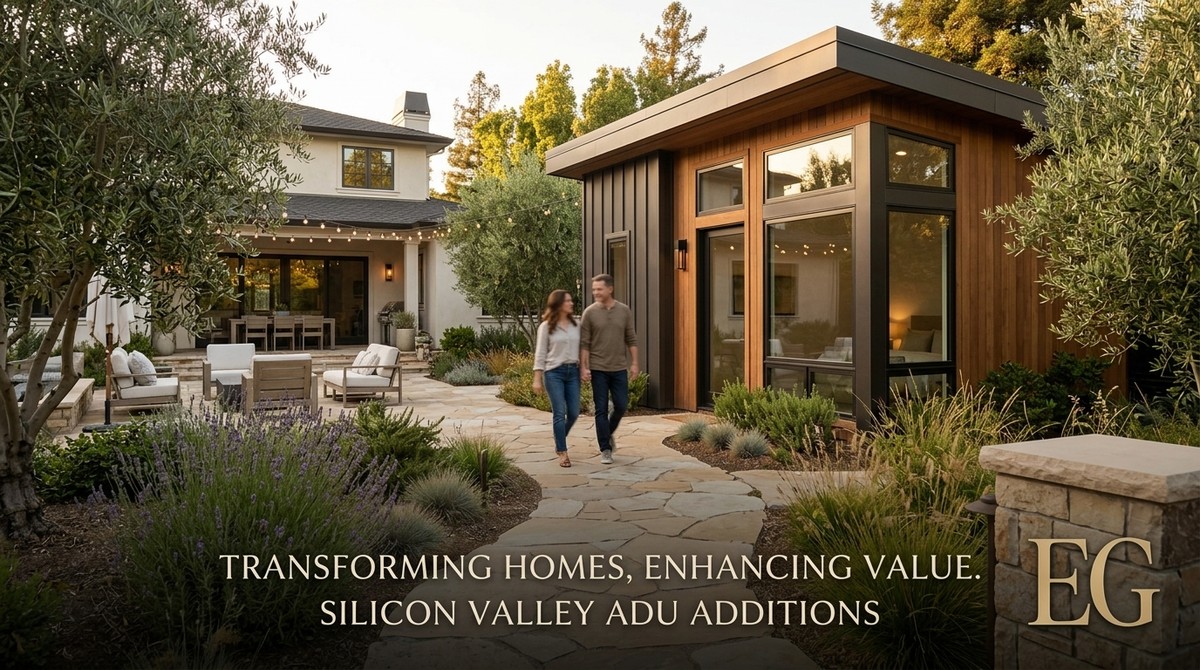
To truly understand this local shift, I want to share a recent case study of a property just a few blocks away from the downtown triangle. This classic sixties ranch home had been lovingly maintained for decades, but the family found themselves needing space for an aging parent who wanted to remain close to the bustling First Friday events. Instead of exploring assisted living facilities out of the area, they decided to explore the potential of their deep lot by constructing a detached guest house. When I dive into the public permit data for this specific street, I can see a clear trend of neighbors making similar choices to expand their footprints. The result was a stunning custom-built space that not only provided a safe haven for their mother but also beautifully complemented the existing neighborhood architecture.
The financial impact of this decision was just as remarkable as the personal benefits the family experienced. When preparing a Los Altos family home for its next chapter, I often look at how recent improvements translate into overall market value. In this particular instance, the addition of the accessory dwelling unit increased the property appraised value significantly more than the actual cost of the construction. Buyers in today market are actively searching for homes with this kind of flexible built-in versatility, making properties with permitted guest houses highly sought after. It is a wonderful example of how making a heart-centered decision for your family can also be an incredibly smart move for your home long-term value.
Navigating Public Permit Data
When you spend as much time reviewing property histories as I do, you start to notice fascinating patterns hidden within the public permit records of Santa Clara County. Over the past five years, the number of permits filed for accessory dwelling units has skyrocketed across local municipalities. City councils in Mountain View, Sunnyvale, and Cupertino have all streamlined their approval processes to encourage this type of thoughtful residential development. Reviewing these public records provides a transparent look at how neighborhoods are growing and adapting to modern multigenerational needs without losing their suburban character. I always recommend that homeowners carefully review these trends, as understanding property taxes in Santa Clara County goes hand in hand with any major permitted addition.
What stands out most in these permit histories is the sheer quality and care being put into these backyard homes. I am certainly not talking about hastily converted sheds or unpermitted garage build-outs that I sometimes saw back in the nineteen-eighties. Today homeowners are working with talented local architects to ensure their guest houses match the rooflines, siding, and overall aesthetic of the primary residence. This meticulous attention to detail ensures that the new structures blend seamlessly into the leafy streets I know and love. It is exactly this kind of responsible and community-minded development that keeps my hometown feeling like the welcoming place I grew up in.
Market Value and Community Connection
It is impossible to talk about property improvements without touching on the resulting increase in market value. However, I always prefer to view this financial growth through the lens of family legacy and community stability rather than just crunching clinical data. A well-designed guest house offers unparalleled flexibility, whether it serves as a quiet home office, a welcoming space for visiting relatives, or a residence for returning college graduates. This adaptability is exactly how guest houses and ADUs are keeping Silicon Valley families together in a market that can sometimes feel challenging for younger generations. When buyers see a property with a permitted accessory unit, they immediately envision their own family future unfolding in that space.
The true value of these additions extends far beyond the property lines and into the very fabric of local neighborhoods. When multiple generations can live on the same property, I see stronger support systems, more volunteers at local school events, and a deeper shared history within town borders. For those interested in exploring this topic further, I highly recommend reading about multigenerational living and estate planning in Silicon Valley to understand the broader implications. At the end of the day, a house is simply a structure, but it is the people living inside who turn it into a home and a vibrant community. I truly believe that these thoughtful additions are helping to preserve the warm neighborly spirit that has always defined my corner of the Bay Area.
Frequently Asked Questions
Do guest houses require special permits locally?
Yes, any structural addition or conversion of space into an accessory dwelling unit requires proper permitting through the local city planning department. The permit process ensures that the new structure meets all current safety codes, setback requirements, and neighborhood zoning regulations. While the process has been streamlined in recent years, working with experienced local contractors is essential to ensure a smooth approval. Properly permitted structures are the only way to ensure the addition legally adds to your official square footage and long-term market value.
How do guest houses impact local property taxes?
Adding a new structure to your property will trigger a reassessment, but typically only for the value of the new construction itself. Your existing home retains its original tax base under California law, meaning your overall property tax bill will increase but not as dramatically as if the entire property were reassessed at current market rates. It is always a good idea to consult with a local tax professional or the county assessor office before breaking ground. This way, you can accurately budget for the future while creating that much-needed space for your loved ones.
Are these additions disruptive to neighborhoods?
When planned thoughtfully and executed by respectful local builders, the disruption to the neighborhood is usually minimal and temporary. I always encourage homeowners to communicate openly with their neighbors before starting a major project, maybe chatting over the fence or dropping off a friendly note. Most neighbors are incredibly understanding, especially when they realize the addition is meant to keep a family together or care for an aging parent. I know everyone wants our neighborhoods to thrive, and maintaining good communication is the best way to keep that hometown harmony intact.
As I wrap up my thoughts for the week, I am reminded of how lucky I feel to live in a place that values family, community, and thoughtful growth. Whether you are thinking about expanding your own home to make room for returning kids, or you are simply curious about the changes happening in your neighborhood, I always love talking about the local housing landscape. Please say hi if you see me around town, perhaps grabbing a pastry downtown or cheering on the local teams. If you want to chat more about your own home potential, you can always visit my website at https://edgraziani.com to connect, and I hope to see you at the game this Friday!