
The architecture of a high-net-worth real estate portfolio in the Bay Area is undergoing a structural shift. Historically, the pursuit of premium residential real estate focused heavily on isolated primary dwellings. Today, multigenerational living in Silicon Valley has emerged as a primary driver for strategic asset acquisition. As technology executives and business leaders evaluate their long-term estate planning needs, the integration of extended family accommodations is no longer treated as an afterthought. It is a calculated business move designed to preserve capital, ensure privacy, and maintain familial proximity in an exceptionally competitive market.
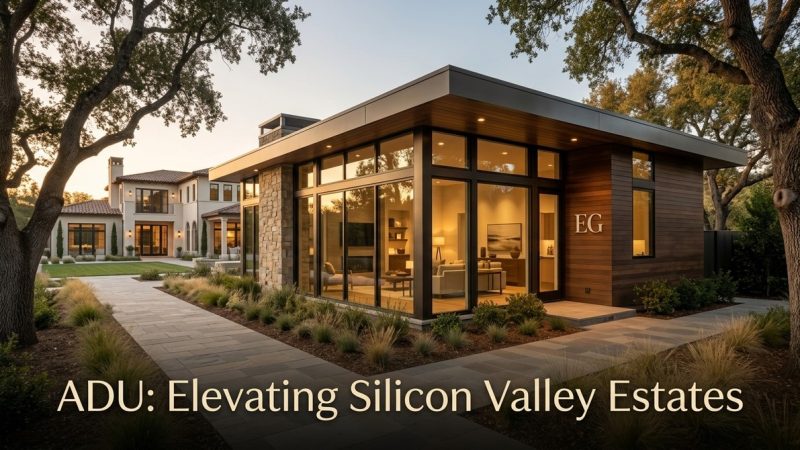
The demand for properties equipped with guest houses, casitas, and Accessory Dwelling Units (ADUs) reflects a broader maturation of the local housing market. Buyers are looking beyond immediate utility and assessing properties for their generational holding power. A single, well-positioned estate in a premium zip code can now serve as a unified family compound, shielding multiple generations from the volatility of external housing costs while consolidating wealth under a single, manageable asset umbrella.
Assessing Multigenerational Living in Silicon Valley
Evaluating the landscape for multigenerational living in Silicon Valley requires a deep understanding of neighborhood-level zoning, lot utility, and community infrastructure. The sustained demand for multi-structure estates is particularly evident in low-density, high-acreage municipalities. In Los Altos Hills, for example, expansive lot sizes naturally lend themselves to the development of secondary structures without compromising the privacy of the primary residence. Similarly, specific enclaves within Palo Alto and Willow Glen are seeing an uptick in strategic renovations where existing footprints are maximized to accommodate aging parents, adult children returning from university, or dedicated live-in staff.
The value proposition here is heavily weighted toward strategic investment. Rather than acquiring separate residential assets across Santa Clara County or San Mateo County, high-net-worth individuals are consolidating their capital. By focusing on a single, expansive property, families can pool resources, streamline property management, and reduce the friction of maintaining multiple households. This consolidation is a direct response to local market realities. With inventory remaining tight and valuations holding strong, securing one premium property with multiple dwellings often presents a more favorable risk profile than attempting to secure and manage multiple properties in the same competitive region.
The Economics of Extended Family Properties
The financial mechanics of acquiring a property designed for extended family use differ significantly from traditional single-family purchases. From an acquisition and disposition standpoint, multi-structure properties command a premium, but they also offer unique avenues for capital preservation.
Below is a structural breakdown of how consolidated family estates compare to dispersed property ownership within the Bay Area:
| Acquisition Strategy | Capital Efficiency | Estate Planning Utility |
|---|---|---|
| Consolidated Estate (Main Home + ADU) | High (Shared maintenance and unified utility infrastructure) | Optimal (Streamlined transfer into a unified family trust) |
| Dispersed Ownership (Multiple Homes) | Lower (Duplicated maintenance and management costs) | Complex (Disposition requiring multiple trust assignments) |
This data underscores why astute buyers treat these homes as sophisticated portfolio assets. The initial acquisition cost of a compound-style property may be higher, but the long-term carrying costs often favor the consolidated model. Furthermore, properties with permitted, high-quality ADUs typically experience accelerated appreciation, as the buyer pool for these specific assets continues to outpace available inventory.
Strategic Portfolio and Estate Planning
Estate planning and real estate acquisition are deeply intertwined for Silicon Valley professionals. When structuring a portfolio, the inclusion of a secondary dwelling provides profound flexibility for estate executors and wealth managers. For those evaluating compound-style properties, the strategic benefit lies in the seamless transition of assets between generations. A property that houses multiple generations can be placed into a living trust, ensuring that the asset passes to heirs with minimal disruption and optimized tax basis step-ups, depending on current tax legislation.
Understanding smart capital placement in the Bay Area requires analyzing how a property will serve the family five, ten, or twenty years post-acquisition. An ADU can serve as a guest suite today, a residence for aging parents tomorrow, and eventually an independent space for adult children entering the workforce. We consistently see the utility of secondary dwelling units shaping acquisition timelines, often prompting buyers to execute transactions earlier than anticipated to secure rare, appropriately zoned inventory.
Zoning and Compliance Considerations
The logistical realities of developing or purchasing a multi-dwelling property require meticulous due diligence. The state of California has implemented significant legislative changes in recent years to streamline the permitting and construction of ADUs, effectively overriding certain restrictive local ordinances. However, navigating the specific building codes in distinct Silicon Valley municipalities remains a complex endeavor.
In Los Altos, strict setback requirements and floor area ratio restrictions dictate the scale and placement of secondary structures. Saratoga and Cupertino enforce their own rigorous design review boards, ensuring that any additional structures maintain the architectural integrity of the surrounding neighborhood. A successful acquisition strategy mandates partnering with an advisor who possesses deep, lifelong knowledge of these local nuances. Miscalculating zoning constraints can severely impact the anticipated yield of a real estate investment and disrupt long-term estate planning objectives. Buyers must verify permit histories on existing guest houses, as unpermitted structures pose substantial liability and complicate the escrow process.
Navigating the Acquisition Process
Acquiring a compound-ready property in the current Silicon Valley environment requires aggressive, data-driven positioning. High-net-worth clients frequently encounter multiple-offer scenarios when these rare assets hit the open market. Successfully navigating this competitive landscape demands a trusted advisor who can negotiate from a position of strength, utilizing detailed micro-market analytics to justify offer terms.
When representing the region’s business elite, the focus remains entirely on discrete, focused personal attention. Preparing to acquire a property with existing multigenerational infrastructure involves detailed inspections, permit verifications, and structural assessments to ensure the asset aligns with the buyer’s risk tolerance and estate planning framework. The complexities of the escrow process are magnified when dealing with multiple structures, requiring expert oversight to protect capital and guarantee a seamless transaction. This level of diligence ensures that the final acquisition is not merely a residential purchase, but a secure, high-yield addition to the client’s wealth portfolio.
Frequently Asked Questions
What drives the demand for multi-structure properties?
The primary catalysts are capital consolidation, elder care logistics, and the strategic desire to provide housing stability for adult children in a high-cost environment.
How do guest houses impact property valuations?
Fully permitted, architecturally cohesive secondary units significantly enhance the market value and liquidity of a property. They attract a highly motivated buyer demographic willing to pay a premium for turnkey multigenerational solutions.
Are there specific tax benefits to this strategy?
While individual tax situations vary, holding a single, high-value property in a trust often simplifies asset management and can provide streamlined avenues for generational wealth transfer compared to managing multiple dispersed estates. Always consult with a qualified tax professional or estate planning attorney to tailor a strategy to your specific needs.
In the complex, fast-moving Bay Area market, real estate decisions must be executed with precision, foresight, and a clear understanding of the macro-economic landscape. Securing a property that accommodates extended family requires more than simply identifying a large lot; it demands a comprehensive strategy for pricing, property analysis, and long-term asset management. My practice is built on listening closely to your specific goals and delivering discrete, focused results that align with your financial portfolio.
Call or text Ed today for a no-obligation conversation about your real estate goals.