
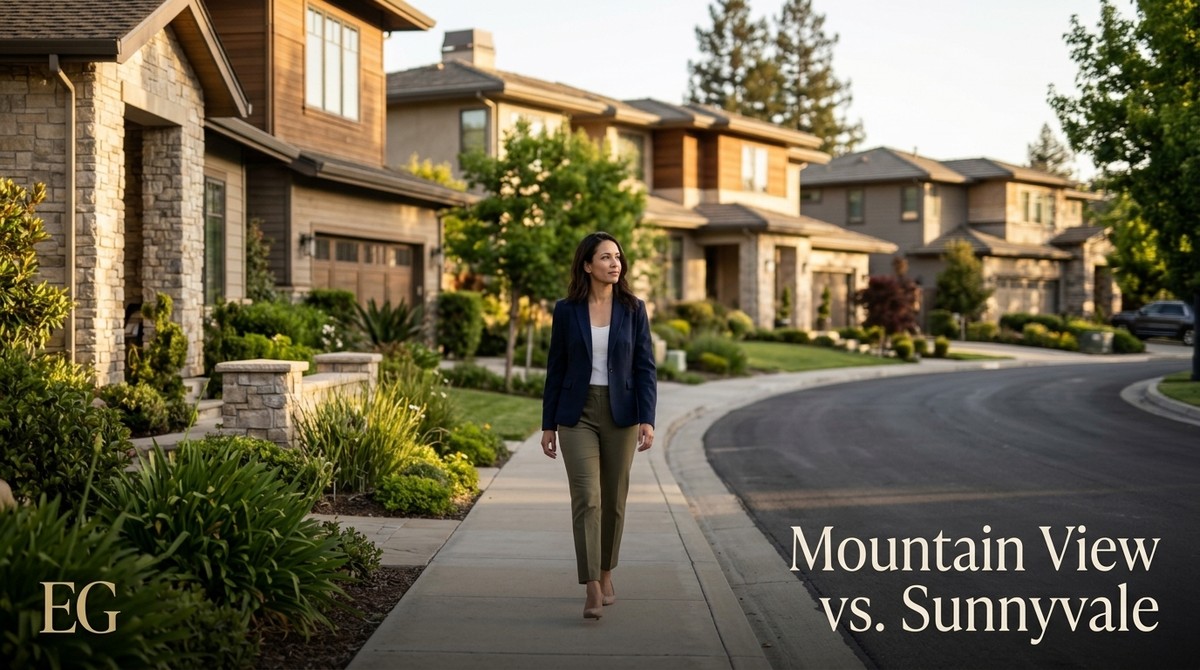
Choosing Between Mountain View or Sunnyvale
For tech professionals and investors entering the Silicon Valley market, deciding between Mountain View or Sunnyvale is a frequent and important dilemma. Both cities offer exceptional access to global technology hubs, robust local economies, and highly desirable residential neighborhoods. However, determining where the true value lies requires a deep understanding of hyper-local market dynamics and your specific long-term goals. Over my twenty-five years navigating this competitive landscape, I have helped countless clients weigh these exact options to ensure their real estate decisions align with their future aspirations.
The choice often comes down to balancing immediate lifestyle preferences with long-term financial growth. Both locations present remarkable opportunities for capital preservation, but their respective micro-markets behave quite differently. My approach relies on analyzing current data while anticipating future community developments. Together, we can chart a course that protects your assets and enhances your daily life.
Table of Contents
- Mountain View or Sunnyvale Market
- Architectural Styles and Lot Sizes
- Analyzing Mountain View Real Estate
- Evaluating Sunnyvale Real Estate
- Parks and Community Amenities
- First-Time Buyer Considerations
- Commute and Local Infrastructure
- Long-Term Investment Potential
- Making the Right Portfolio Choice
- Frequently Asked Questions
Mountain View or Sunnyvale Market
When we look at the Mountain View or Sunnyvale market context, it is essential to understand the historical evolution of both cities. Mountain View has long been anchored by the presence of the Googleplex, which has driven significant residential demand and shaped the city’s premium pricing tier. Sunnyvale historically offered a more suburban feel but has rapidly transformed with the expansion of campuses for Apple and LinkedIn. This corporate growth has fundamentally shifted the valuation models for both regions, creating unique opportunities for strategic buyers. For those focused on identifying smart Bay Area real estate investments, understanding these macroeconomic drivers is the crucial first step.
Pricing in Mountain View generally carries a premium due to its shared borders with Los Altos and Palo Alto, two of the most exclusive markets in the nation. Buyers often pay for this geographic proximity and the prestige associated with certain local zip codes. Sunnyvale, conversely, has traditionally been viewed as the more approachable neighbor, offering slightly more square footage for the same capital investment. However, this price gap has been steadily narrowing over the past decade as inventory tightens across the entire South Bay. True value is no longer just about price per square foot; it is about anticipating where the next wave of neighborhood revitalization will occur.
Both markets suffer from chronic low inventory, which means securing a property often involves intense competition from highly qualified buyers. Buyers must be prepared with strong financing, clear contingencies, and a resolute strategy before stepping into an open house. Understanding the nuances of each neighborhood allows you to bid aggressively on homes that offer genuine long-term upside while passing on overpriced assets. Success in this environment is rarely accidental, as it requires careful preparation and expert guidance. By focusing on fundamental value metrics, my clients consistently position themselves for lasting financial success.
Architectural Styles and Lot Sizes
Mountain View and Sunnyvale both offer a distinct mix of mid-century modern homes, traditional ranch styles, and newer contemporary builds. In Mountain View, older neighborhoods closer to downtown often feature charming bungalows on smaller, densely packed lots. As you move south toward Waverly Park, lot sizes expand, and traditional California ranch homes become the dominant architectural style. Sunnyvale boasts several iconic Eichler tracts and spacious ranch homes, particularly in the highly sought-after Cherry Chase and Sunnyvale West neighborhoods. These variations in architecture and land size play a massive role in determining where a specific buyer finds their optimal value.
Investors and homebuyers must carefully weigh the cost of renovations when evaluating these older structures. A seemingly affordable home in either city can quickly lose its value proposition if it requires a complete foundational or structural overhaul. Conversely, a turnkey property in a prime Sunnyvale location might offer better immediate utility than a fixer-upper in a prestigious Mountain View enclave. It is critical to work with trusted contractors and inspectors to accurately assess the true cost of ownership before finalizing any offer. This level of meticulous planning ensures that your investment continues to appreciate without unexpected capital drains.
Analyzing Mountain View Real Estate
Mountain View offers a highly dynamic lifestyle, centered heavily around the vibrant dining and entertainment scene on Castro Street. This downtown corridor is a major draw for professionals who prioritize walkability and an urban-suburban mix in their daily routines. The city also features excellent access to outdoor recreation, including Shoreline Park and the extensive Stevens Creek Trail system. From a valuation standpoint, properties within walking distance to these amenities consistently command the highest premiums and experience the lowest vacancy rates. Buyers who prioritize immediate access to dining, culture, and nature often find that Mountain View firmly justifies its higher entry price.
The school district boundaries in Mountain View add another critical layer of complexity to its local real estate market. Certain southern and western neighborhoods feed into the highly acclaimed Los Altos High School, creating micro-markets with exceptionally high demand. Homes within these specific boundaries appreciate at different rates compared to properties feeding into other local schools. Families must carefully verify attendance zones during their search, as these lines can heavily influence both resale value and daily community life. Securing a property in these premium educational zones remains a cornerstone strategy for long-term capital preservation.
Evaluating Sunnyvale Real Estate
Sunnyvale has spent the last decade thoughtfully revitalizing its downtown district, particularly along the historic Murphy Avenue corridor. This ongoing development has brought new restaurants, luxury apartments, and modern retail spaces to the city’s urban core. Consequently, residential neighborhoods surrounding downtown Sunnyvale have seen a tremendous surge in buyer interest and subsequent property value appreciation. The city is no longer just a bedroom community; it has become a true destination in its own right with a distinct and appealing character. For buyers seeking a trajectory of continued municipal improvement, Sunnyvale presents a highly compelling case for investment.
Education is also a massive driver of property values in Sunnyvale, particularly in areas served by the Fremont Union High School District. Neighborhoods that feed into schools like Homestead High or Fremont High consistently attract families prioritizing academic excellence. The stability provided by these top-tier schools helps insulate local property values during broader economic fluctuations. When analyzing the market, it becomes clear that Sunnyvale offers an exceptional balance of educational quality and relative housing affordability. This combination makes it a prime target for buyers focused on building multi-generational wealth through real estate.
Parks and Community Amenities
Community infrastructure is a vital component of long-term real estate value, and both of these cities excel in this particular area. Mountain View is renowned for its expansive park systems, community centers, and the prominent Center for the Performing Arts. These public investments enhance the quality of life for residents and foster a strong sense of local identity and municipal pride. Sunnyvale matches this commitment with its own extensive network of neighborhood parks, public tennis courts, and excellent municipal golf facilities. Buyers often base their final decision on which city’s specific recreational offerings best align with their family’s daily lifestyle.
Both municipalities are deeply committed to maintaining clean, safe, and engaging public spaces for their growing populations. Frequent community events, farmers markets, and outdoor concerts provide residents with ample opportunities to connect and socialize. This strong community fabric is precisely what transforms a simple residential house into a cherished, long-term family home. When you invest in either Mountain View or Sunnyvale, you are buying into a well-managed civic ecosystem. Ultimately, these intangible community benefits heavily influence the long-term desirability and financial stability of the local housing market.
First-Time Buyer Considerations
Entering the Silicon Valley market for the first time is a daunting task that requires patience and a clear tactical approach. Mountain View might offer the ideal location, but the higher price points can stretch a first-time budget to its absolute limit. Sunnyvale frequently emerges as the more pragmatic choice, allowing new buyers to secure a foothold without sacrificing essential lifestyle amenities. By working with an experienced advisor, buyers can navigate these trade-offs and establish realistic expectations for their initial purchase. For a deeper dive into this process, I recommend reviewing my guide on competing in the Silicon Valley market as a new buyer.
It is crucial for new buyers to look beyond the initial purchase price and consider the total cost of home ownership. Property taxes, potential renovations, and routine maintenance must all be factored into your long-term financial planning. Understanding the property tax implications in Santa Clara County can save you from unexpected financial burdens down the road. Both Mountain View and Sunnyvale offer robust municipal services that are supported by these local taxes, ensuring your investment is protected. A well-planned acquisition strategy will account for all these variables, ensuring your entry into the market is both secure and profitable.
Commute and Local Infrastructure
Proximity to major employment centers is arguably the single most important factor driving real estate demand in this region. Both Mountain View and Sunnyvale offer exceptional access to critical transportation arteries, including Highways 101, 237, 280, and 85. Additionally, both cities boast conveniently located Caltrain stations that provide a seamless commute up the peninsula to San Francisco or down to San Jose. This transit redundancy is highly valued by tech professionals who require flexibility in their daily travel routines. Properties situated within a short radius of these transit hubs consistently yield higher rental rates and faster resale times.
The expansion of corporate shuttle networks has also flattened the commute landscape, allowing employees to live further from corporate headquarters. However, living close to the office still holds immense appeal for those looking to maximize their personal time and minimize daily stress. Mountain View offers unmatched convenience for Google employees, while Sunnyvale provides similar benefits for those at Apple or LinkedIn. Analyzing your specific commute requirements is a fundamental step in choosing the right location for your next home. Time is our most valuable asset, and a strategically located property helps preserve it.
Long-Term Investment Potential
When we evaluate the long-term investment potential of these neighboring cities, the data points toward sustained, robust growth. Mountain View possesses an enduring cachet that acts as a reliable hedge against market volatility, similar to its high-end neighbors. Sunnyvale, driven by its ongoing downtown revitalization and corporate influx, shows potential for slightly higher year-over-year appreciation percentages. Both markets benefit immensely from the broader economic engine of Silicon Valley, which continues to attract global talent and capital. The decision ultimately rests on whether you prefer the established premium of Mountain View or the upward momentum of Sunnyvale.
Navigating the purchase process in either city requires a steady hand and a deep understanding of local negotiation tactics. Buyers frequently encounter highly competitive situations that demand rapid decision-making and flawless contract execution. Having a proven strategy for managing multiple offer scenarios effectively is absolutely essential for securing your desired property. It is not just about writing the highest number; it is about structuring terms that provide certainty to the seller while protecting your interests. My commitment is to ensure you navigate these complex dynamics with confidence and secure an asset that serves your long-term vision.
Making the Right Portfolio Choice
Choosing where to invest your capital between Mountain View and Sunnyvale is a highly personal decision rooted in your unique aspirations. There is no universally correct answer, only the answer that best aligns with your financial timeline, lifestyle preferences, and family needs. Mountain View provides immediate prestige and an established urban-suburban lifestyle that is hard to replicate anywhere else in the Bay Area. Sunnyvale offers a compelling growth narrative, excellent schools, and a revitalized community core that promises ongoing value expansion. Taking the time to carefully evaluate these nuanced differences is the hallmark of a sophisticated real estate investor.
Every decision we make together is rooted in genuine care and a clear understanding of your unique position in the market. I encourage my clients to look past the superficial appeal of a property and focus on the underlying fundamentals of the neighborhood. True value isn’t just in the transaction; it’s in the trust we build and the future we thoughtfully plan. Whether you ultimately choose the vibrant streets of Mountain View or the thriving neighborhoods of Sunnyvale, I am here to guide you. Together, we will ensure that your next real estate acquisition is a definitive step toward your long-term success.
Frequently Asked Questions
Which city has better schools?
Both cities offer access to highly rated public education, but the specifics depend heavily on precise neighborhood boundaries. Parts of Mountain View feed into the prestigious Los Altos High School, which is a major draw for families. Sunnyvale is renowned for its inclusion in the Fremont Union High School District, featuring top-tier institutions like Homestead High. Buyers must verify school attendance zones for every specific property, as lines can shift and drastically affect property values. Working with an experienced local agent is the best way to navigate these complex district boundaries.
How do property taxes compare?
Property taxes in both Mountain View and Sunnyvale are governed by the same overarching state laws, including Proposition 13. Your base tax rate will generally be roughly one percent of the purchase price, with some variations for local assessments and bonds. Certain newer developments or specific neighborhoods might carry additional parcel taxes to fund local schools or infrastructure projects. The overall tax burden is remarkably similar between the two cities, making purchase price the primary differentiator in your carrying costs. It is always advisable to consult with a tax professional to understand the exact financial implications for your portfolio.
Which downtown area is better?
The preference for downtown areas is entirely subjective and depends on what kind of atmosphere you desire. Mountain View’s Castro Street is older, more established, and offers a denser concentration of dining and cultural venues. Sunnyvale’s Murphy Avenue has undergone massive recent revitalization, offering a fresh, modern aesthetic with highly popular community events. Both downtowns feature excellent transit connectivity via Caltrain, making them highly accessible for commuters and visitors alike. I always recommend that clients spend an afternoon walking through both districts to determine which environment feels like the right fit.