
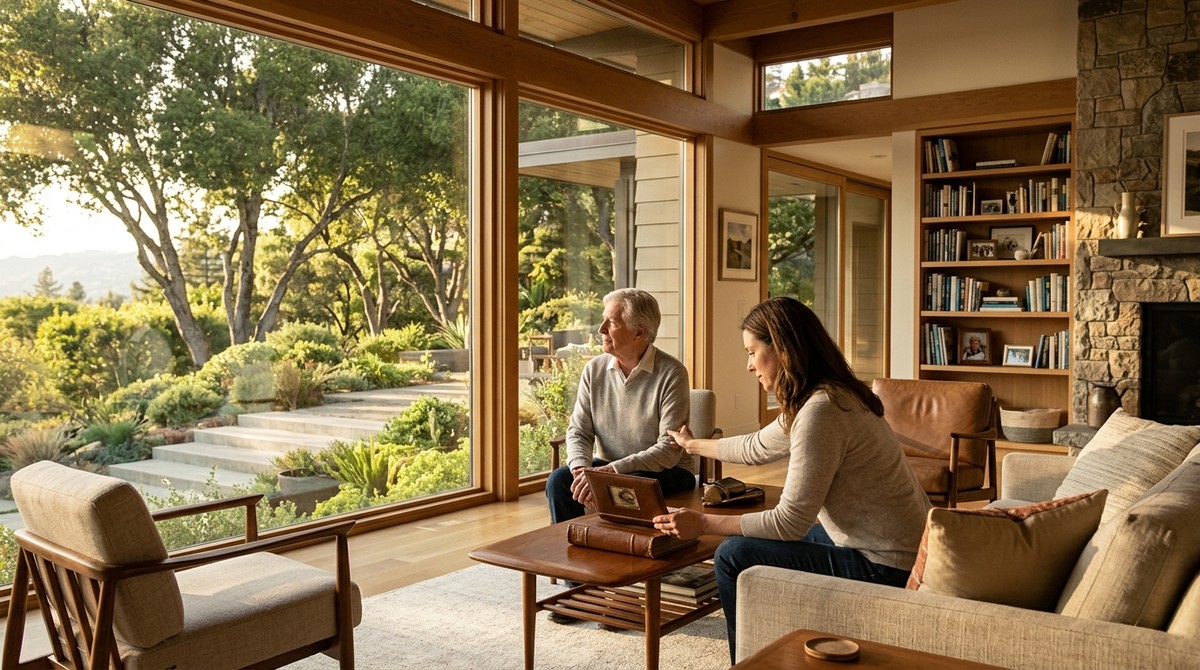
Handling the transition of a family estate is a profound responsibility that demands both sensitivity and strategic precision. For many families in the Bay Area, selling an inherited home represents the closing of one significant chapter and the beginning of another. The process involves far more than simply placing a sign in the yard and waiting for offers to arrive. It requires navigating complex legal frameworks, understanding the nuances of the local market, and making careful decisions about property preparation. As an advisor with over twenty-five years of experience guiding clients through these exact transitions, my commitment is to ensure your long-term success while honoring the legacy of your family’s property. We approach every step thoughtfully to build trust and meticulously plan for a seamless transfer of wealth.
Table of Contents
To assist you in this journey, I have prepared a comprehensive overview of the essential considerations you will face as an executor or trustee. Reviewing these topics early in the process will help establish a clear roadmap for the months ahead.
- Understanding the Reality of Selling an Inherited Home
- The Differences Between Probate and Trust Sales
- Strategic Timing for the Bay Area Market
- Preparing the Property for Maximum Value
- Tax Implications and Financial Strategy
- Frequently Asked Questions
Understanding the Reality of Selling an Inherited Home
Stepping into the role of an executor or trustee often comes during a period of deep emotional strain. Families are suddenly tasked with managing an asset that holds decades of memories while simultaneously addressing urgent financial and legal obligations. Navigating these concurrent pressures requires a steady, experienced hand to ensure that critical details are not overlooked. My role is to provide that objectivity, offering insights only deep experience can provide so you can make informed choices. Every decision we make together is rooted in genuine care and a clear understanding of your family’s unique aspirations.
The Differences Between Probate and Trust Sales
The legal mechanism through which you hold authority over the property dictates your next steps and overall timeline. If the estate was placed in a living trust, the successor trustee generally has the immediate authority to list and sell the property without court intervention. This streamlined approach allows families to move efficiently, capitalize on current market conditions, and minimize administrative delays. Trust sales offer a level of privacy and control that can be highly advantageous in the competitive Silicon Valley real estate environment. Working alongside your legal counsel ensures that all fiduciary duties are meticulously documented and fulfilled throughout the escrow process.
If the property was not held in a trust, the estate will likely need to go through the probate process. Probate is a court-supervised procedure that validates the will, appoints an executor, and oversees the distribution of assets. Selling a property through probate requires strict adherence to statutory timelines, specific disclosure requirements, and sometimes court confirmation of the final sale price. This pathway is inherently more public and time-consuming, requiring a trusted advisor who can skillfully manage buyer expectations and complex escrow logistics. Understanding these distinctions early in the process prevents costly missteps and aligns your family’s expectations with the legal reality.
Strategic Timing for the Bay Area Market
Deciding exactly when to list an inherited property is a critical component of our comprehensive strategy. Families often feel pressured to act immediately to avoid ongoing carrying costs like maintenance, insurance, and utilities. However, rushing to market without proper preparation or a solid understanding of current buyer demand can severely compromise your final financial outcome. We must carefully evaluate the broader economic indicators, seasonal trends, and neighborhood-specific data to pinpoint the optimal launch window. For those monitoring localized trends, analyzing the latest Los Altos market conditions provides valuable context for timing your sale.
The timeline must also account for the physical clearing of the home, which often takes longer than families anticipate. Distributing heirlooms, organizing estate sales, and removing decades of accumulated belongings require significant time and emotional energy. I always advise clients to build a generous buffer into their schedule to accommodate these deeply personal tasks. True value is not just in the eventual transaction; it is found in the thoughtful planning that prevents undue stress during the preparation phase. By establishing a realistic timeline from the outset, we ensure the property makes its debut exactly when the market is most receptive.
Preparing the Property for Maximum Value
Once the personal belongings have been respectfully cleared, we shift our focus to maximizing the property’s appeal to modern Bay Area buyers. Inherited homes often feature deferred maintenance or design choices that reflect a previous era, presenting a unique challenge in a region known for cutting-edge luxury. We conduct a rigorous cost-benefit analysis to determine which updates will yield the highest return on investment. Sometimes, a fresh coat of paint, refinished hardwood floors, and updated landscaping are sufficient to transform the space. In other cases, strategic kitchen or bathroom renovations may be necessary to compete effectively against newly constructed estates.
Staging is another non-negotiable element of our marketing strategy for vacant inherited properties. A professionally staged home allows prospective buyers to visualize the lifestyle the property offers rather than focusing on its age or vacant state. To understand how critical this step is, consider the impact of staging on luxury property values when positioned in front of discerning tech executives. Our goal is to present a residence that feels fresh, inviting, and ready for immediate occupancy. If you are handling a property with deep historical ties, readying a cherished family property for its next chapter requires a delicate balance of modernization and preservation.
Tax Implications and Financial Strategy
The financial outcome of transferring an inherited property is heavily influenced by state and federal tax regulations. One of the most significant advantages for heirs is the step-up in basis, which adjusts the property’s tax value to its fair market value at the time of the original owner’s passing. This critical tax provision often eliminates or drastically reduces the capital gains taxes owed upon the sale of the home. However, navigating these regulations requires precise valuation and seamless coordination with your certified public accountant. Because the Bay Area represents such a high-value market, ensuring you have the right advisory team in place is absolutely essential.
Beyond capital gains, families must also consider the ongoing carrying costs and local property tax reassessments during the transition period. The rules governing inherited properties in California have evolved significantly, making it imperative to understand your specific liabilities. To better grasp these local nuances, I highly recommend reviewing the complex property tax landscape in Santa Clara County. My approach involves working collaboratively with your financial and legal advisors to create a cohesive wealth preservation strategy. Our shared objective is to maximize the net proceeds delivered to the estate and its beneficiaries.
Frequently Asked Questions
Families navigating the complexities of an estate transition often share similar concerns and questions. I have compiled these common inquiries to provide clarity as you begin to map out your next steps. Open communication and early education are the cornerstones of the trust we build together.
How long does a probate sale take in the Bay Area?
The timeline for a court-supervised sale varies widely depending on the county backlog and the complexity of the estate. Generally, you should anticipate a minimum of six to nine months from the initial filing to the final close of escrow. If court confirmation is required for the sale price, this can add several weeks to the standard transaction timeline. We proactively manage every milestone within our control to prevent unnecessary delays and keep the process moving forward.
Should we remodel the home before listing it?
The decision to remodel should always be driven by data rather than emotion or guesswork. We will conduct a thorough comparative market analysis to see what updated homes in your specific neighborhood are demanding. If the projected increase in the sale price significantly outweighs the cost and time of the renovation, we will proceed with a targeted update strategy. If the market data suggests that selling the home in its current condition to a developer or ambitious buyer yields a better net result, we will adjust our approach accordingly.
What happens if multiple heirs disagree on the sale?
Disagreements among beneficiaries are common, particularly when dealing with varying financial needs and emotional attachments to the property. It is the responsibility of the executor or trustee to act in the best interest of the estate as a whole, guided by the legal documents in place. I facilitate clear, objective communication among all parties, focusing on market facts and fiduciary duties to help build consensus. By keeping the conversation grounded in strategy and long-term success, we can usually resolve conflicts and proceed with a unified plan.
Your Next Steps
Managing the sale of an estate requires a steady hand, extensive local knowledge, and an unwavering commitment to your family’s best interests. Every step we take is designed to alleviate the burden on your shoulders while maximizing the financial potential of your inherited asset. I invite you to reach out for a confidential, no-obligation conversation about your specific situation. We will review your property, discuss your timeline, and outline a clear path forward. Together, we can honor your family’s legacy through a meticulously planned and expertly executed real estate transaction.