
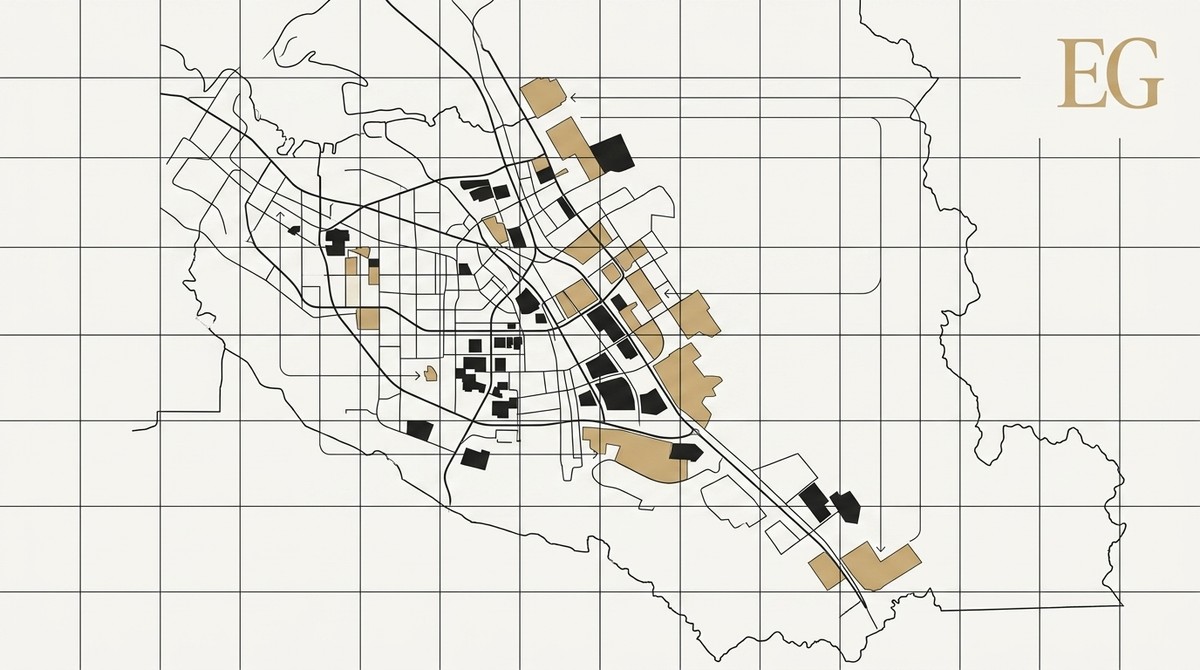
Successful Commercial Real Estate Repositioning Strategies in Santa Clara County
Silicon Valley represents a landscape of constant evolution, demanding that physical infrastructure adapt at the same rapid pace as the technology created within it. For property owners and investors, commercial real estate repositioning offers a strategic pathway to revitalize aging or underperforming assets. This process goes far beyond simple cosmetic updates (it requires a fundamental reimagining of a property’s highest and best use). By adapting obsolete spaces to meet modern industrial, retail, or mixed-use demands, investors can secure substantial long-term value. Our focus today will explore the exact mechanisms and successful methodologies behind these profound property transformations in Santa Clara County.
Table of Contents
- Understanding Commercial Real Estate Repositioning
- Economic Drivers in Santa Clara County
- Transforming Underperforming Retail Centers
- The Shift Toward Advanced Industrial Spaces
- Navigating Zoning and Community Requirements
- Integrating Sustainable Building Practices
- Maximizing Return on Investment
- The Importance of Expert Guidance
- Frequently Asked Questions
Understanding Commercial Real Estate Repositioning
Commercial real estate repositioning is the comprehensive strategic process of changing a property’s market position to attract a different, often higher-paying, tenant base. In highly competitive markets like Santa Clara County, older buildings frequently lose their appeal as tenant requirements shift toward modern amenities, superior energy efficiency, and flexible layouts. An aging office park or a vacant retail center can quickly become a massive financial liability if left to stagnate in a rapidly changing economic environment. Through targeted capital improvements and thoughtful rebranding, these underutilized spaces can be transformed into highly desirable assets. This approach requires meticulous planning, an understanding of neighborhood-level micro-economics, and a clear vision for the future of the specific asset class.
Economic Drivers in Santa Clara County
The driving forces behind the need for commercial property renovation in our region are intrinsically linked to the broader technological economy. As legacy industries shrink and innovative sectors expand, the spatial requirements for businesses undergo dramatic changes. We are seeing a distinct movement away from traditional cubicle-heavy office spaces toward collaborative, highly integrated work environments that support hybrid schedules. Furthermore, evaluating tech sector growth impacts reveals a surging demand for specialized facilities such as advanced research laboratories, robotics testing grounds, and last-mile logistics hubs. Smart investors recognize these macroeconomic shifts and proactively adjust their portfolios to align with the future trajectory of Silicon Valley commerce.
Transforming Underperforming Retail Centers
One of the most visible examples of effective commercial adaptation occurs within the traditional retail sector across the Bay Area. Large, single-use shopping centers and big-box retail locations have faced significant headwinds due to changing consumer habits and the rise of digital commerce platforms. However, these properties typically boast excellent geographic locations, massive parking footprints, and high visibility along major transit corridors. Visionary developers in Santa Clara County have successfully converted these struggling retail hubs into vibrant, mixed-use community destinations. By incorporating experiential retail, high-end dining, wellness centers, and even integrated residential components, these sites are reborn as highly profitable community anchors.
To successfully execute these retail transformations, property owners must carefully curate a tenant mix that encourages prolonged visitor engagement. The goal is to create an environment where people want to spend their time, rather than just a place to run a quick errand. You can explore more about smart commercial property investments to understand how location fundamentals drive these massive retail turnarounds. When executed correctly, a dead mall or vacant strip center becomes the thriving centerpiece of its surrounding neighborhood.
The Shift Toward Advanced Industrial Spaces
Industrial real estate has experienced a profound renaissance, driven largely by the specialized physical needs of modern technology and biotechnology firms. Many older warehouse facilities built in the late twentieth century lack the power capacity, advanced HVAC infrastructure, or ceiling clearances required by today’s sophisticated manufacturing tenants. A successful repositioning strategy for these aging industrial assets often involves deep structural upgrades, the addition of heavy electrical systems, and the installation of clean rooms or wet lab capabilities. These enhancements transform a standard storage warehouse into a highly sought-after research and development facility. Implementing these strategic asset preparation techniques ensures that the property attracts stable, long-term corporate tenants willing to pay a premium for specialized infrastructure.
Navigating Zoning and Community Requirements
Executing a successful repositioning project requires a deep understanding of local zoning laws and municipal planning objectives in your specific jurisdiction. City councils and planning commissions in Silicon Valley maintain strict guidelines regarding land use, traffic impacts, and long-term environmental sustainability. Transforming a property’s use class, such as moving from light industrial to mixed-use retail, often entails a rigorous entitlement process and significant community engagement. Developers must partner closely with local stakeholders to ensure the new vision for the property aligns seamlessly with broader community goals and infrastructure capacities.
Navigating these regulatory frameworks with precision is absolutely essential to avoiding costly delays and securing the necessary approvals for a comprehensive property transformation. Furthermore, owners must carefully calculate Santa Clara County property tax considerations before initiating major renovations. Significant capital improvements will trigger reassessments and alter the long-term financial modeling of the asset, requiring expert financial forecasting to ensure viability.
Integrating Sustainable Building Practices
Modern commercial property renovations must prioritize sustainability to meet the rigorous demands of contemporary corporate tenants and institutional investors. Today’s industry leaders have strict environmental, social, and governance mandates that dictate the types of facilities they are willing to occupy or lease. Upgrading legacy buildings with intelligent climate control systems, commercial solar arrays, and low-flow water fixtures is no longer optional; it is a fundamental requirement for remaining competitive. These green initiatives not only reduce the environmental footprint of the property but also dramatically lower operational costs over the lifecycle of the asset. Consequently, prioritizing energy efficiency during the renovation process directly translates to a more robust net operating income and a higher final market valuation.
Maximizing Return on Investment
The ultimate objective of any repositioning initiative is to maximize the financial performance and long-term viability of the commercial asset. While the initial capital expenditure for a major renovation can be substantial, the resulting increase in net operating income typically yields a commanding return on your investment. Upgraded properties command much higher lease rates, suffer from lower vacancy periods, and attract commercial tenants with stronger credit profiles. Additionally, modernizing core building systems significantly reduces ongoing maintenance costs and improves energy efficiency, further padding your net operating margins. Every decision made during the planning and execution phases must be strictly evaluated against its potential to enhance the capitalized value of the property upon stabilization.
The Importance of Expert Guidance
Attempting to reposition a complex commercial asset without an experienced advisory team is a high-risk endeavor in a market as nuanced as the Bay Area. The process demands an intricate orchestration of architects, general contractors, municipal planners, and specialized commercial leasing brokers. A seasoned real estate professional provides the critical market intelligence required to determine which specific upgrades will actually translate into higher rents and which are merely superfluous expenses. My commitment is to your long-term success, guided by insights only deep experience can provide. True value in commercial real estate is realized when you have a trusted advisor who can anticipate market shifts and thoughtfully plan your property’s next highly profitable chapter.
Frequently Asked Questions
What makes a commercial property a good candidate for repositioning?
Ideal candidates are typically older properties located in high-demand or rapidly gentrifying areas that are currently suffering from high vacancy or deferred maintenance. The underlying land value and geographic placement must robustly support the proposed new use for the investment to be sound. A thorough micro-market analysis is always the first step in identifying these lucrative opportunities.
How long does a typical repositioning project take in Santa Clara County?
The timeline varies drastically depending on the scope of the renovation and the necessity of zoning changes or new use permits. Minor cosmetic and system upgrades might take six to twelve months to complete from start to finish. Conversely, a comprehensive structural transformation requiring new entitlements and community hearings can easily span several years.
Does repositioning always require a change in property type?
No, repositioning can simply mean upgrading an asset to the highest possible standard within its current designated asset class. For example, renovating an aging Class C office building with modern amenities, smart building technology, and contemporary design to compete as a premium Class A property is a highly effective repositioning strategy. The goal is always about maximizing the revenue potential of the existing footprint.
Conclusion
The landscape of Silicon Valley commercial real estate will continue to evolve, consistently rewarding those who approach their investments with foresight and adaptability. Commercial real estate repositioning is a powerful tool for preserving capital and driving significant portfolio growth in a shifting economic environment. By transforming underperforming spaces into modern, high-demand assets, you secure your financial position in one of the world’s most dynamic real estate markets. If you are considering the future of your commercial portfolio, we should discuss how strategic planning can elevate your returns today. Visit my website at Ed Graziani Real Estate to learn more about my dedicated approach to asset management and long-term advisory services.