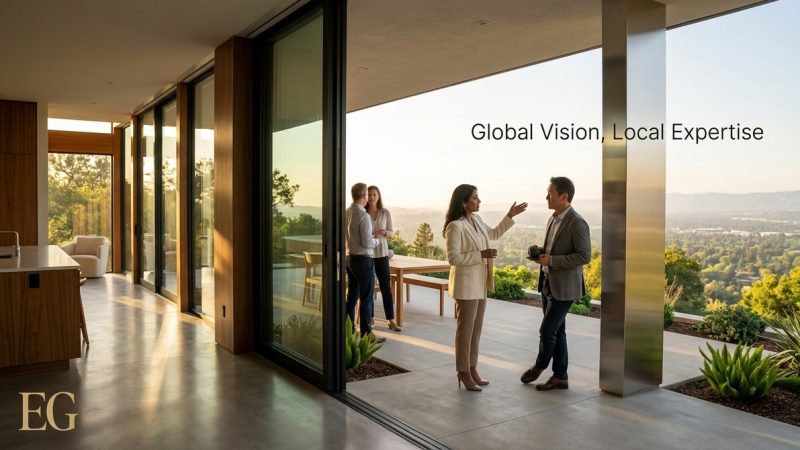

Critical Insights for Buying Hillside Properties
The allure of sweeping views and unparalleled privacy draws many successful individuals to the elevated terrains of Silicon Valley. When you consider investing in these exclusive enclaves, the breathtaking vistas often overshadow the complex realities hidden beneath the surface. My commitment is to your long-term success, guided by insights only deep experience can provide. Mastering the nuances of buying hillside properties ensures that your dream estate remains a sanctuary rather than becoming a costly liability.
Navigating the specialized real estate landscape of Saratoga and Los Altos Hills requires more than just an appreciation for beautiful architecture. These prestigious communities are defined by their unique topography, which introduces a set of challenges rarely encountered in flatland neighborhoods. Every decision we make together is rooted in genuine care and a clear understanding of your unique aspirations. By taking a proactive approach to due diligence, we can secure a property that truly aligns with your financial and personal goals.
Geology to Check When Buying Hillside Properties
One of the most critical factors to evaluate is the geological stability of the land itself. The Santa Cruz Mountains and the foothills of the Peninsula sit in a seismically active region with diverse and sometimes unpredictable soil compositions. Buyers must rigorously review hazard disclosures to identify potential landslide zones or active fault lines near their target estate. Relying solely on a standard home inspection is insufficient for these complex acquisitions.
Engaging a licensed geotechnical engineer is an absolute necessity for any hillside transaction. These experts conduct soil borings and evaluate the bedrock to determine if the existing foundation is adequately supported or at risk of lateral movement. Understanding these reports allows us to anticipate future stabilization costs, which can easily run into the hundreds of thousands of dollars. True value is not just in the transaction; it is in the trust we build and the future we thoughtfully plan through rigorous investigation.
Water intrusion and improper drainage are frequently the primary culprits behind slope failure. Over time, poorly managed runoff can saturate the soil, increasing its weight and reducing its natural friction. Proper site drainage systems, including extensive retaining walls and deep-rooted vegetation, must be thoroughly inspected and maintained. If these systems are failing, the financial impact on your investment could be substantial, requiring immediate and costly remediation efforts.
The Hidden Complexities of Septic Systems
Unlike homes in the bustling centers of Palo Alto or Mountain View, many hillside estates operate entirely off the municipal sewer grid. Properties in Los Altos Hills and the upper elevations of Saratoga rely heavily on private septic systems to manage wastewater. Understanding the age, capacity, and location of the septic tank and leach field is essential before removing contingencies. A failing system is not only an environmental hazard but also a massive financial burden to replace.
Expanding a hillside home often hinges completely on the capabilities of its existing septic infrastructure. If you plan to add bedrooms or construct an accessory dwelling unit, the county will require a percolation test to ensure the soil can handle the increased load. Fulfilling these requirements can be notoriously difficult on sloped terrain where usable land is already scarce. We must approach these expansions strategically, recognizing that local regulations are incredibly strict regarding wastewater management.
Routine maintenance records offer invaluable insight into how previous owners cared for the property. A well-maintained system that has been pumped every three to five years generally indicates a responsible seller. Conversely, a lack of documentation should immediately raise red flags and prompt a comprehensive evaluation by a specialized septic inspector. We will meticulously review these details to ensure you are not inheriting a catastrophic failure.
Navigating Strict Hillside Development Standards
Designing or remodeling a home on a slope involves navigating a labyrinth of stringent municipal development standards. Towns like Los Altos Hills and Saratoga have implemented specific ordinances designed to preserve the natural ridgelines and minimize visual impact. Building heights, exterior color palettes, and even the amount of light emitting from your windows may be heavily regulated. Buyers often overlook these restrictions until they submit architectural plans, only to face immediate rejection from the planning commission.
Grading limitations are another major hurdle for those looking to reshape their hillside lots. Municipalities tightly control the export and import of soil to prevent erosion and protect the delicate local ecosystem. If your vision includes leveling a significant portion of the yard for a pool or tennis court, you will face intense scrutiny and prolonged permit approval timelines. It is crucial to evaluate these limitations early in the process by reviewing recent ultra-luxury estate sales in Los Altos Hills to understand what the town currently permits.
Protecting the value of your investment also means respecting the established community ethos. Many neighborhoods have active architectural review committees that scrutinize every proposed change to ensure neighborhood harmony. I leverage my decades of local experience to help you interpret these unwritten rules and anticipate neighborhood objections before they arise. By aligning your vision with municipal expectations, we pave a smoother path to realizing your ideal estate.
Fire Safety and Insurance Realities in the Foothills
The breathtaking natural beauty of the Bay Area foothills comes with the inherent risk of wildfires. Most hillside properties are designated as being within a Wildland-Urban Interface or a High Fire Hazard Severity Zone. This classification triggers mandatory vegetation management plans, requiring you to clear defensible space around your structures. Maintaining this defensible space is an ongoing annual expense that must be factored into your carrying costs.
Securing comprehensive homeowners insurance has become increasingly difficult and expensive for foothill estates. Traditional carriers have drastically reduced their exposure in these zones, forcing many buyers to rely on surplus line insurers or the California FAIR Plan. These alternative policies often come with significantly higher premiums and lower coverage limits than standard market offerings. It is imperative to obtain preliminary insurance quotes during the escrow period to guarantee the property is insurable at a reasonable rate.
Upgrading a property to meet modern fire safety standards can actually enhance its long-term value and insurability. Installing Class A fire-rated roofs, ember-resistant vents, and exterior sprinkler systems are proactive steps that savvy investors take. For a broader perspective on future property expenses, you might want to review property tax assessments in Santa Clara County, as structural upgrades can sometimes trigger reassessments. Careful planning ensures that your sanctuary remains protected against both natural threats and unexpected financial burdens.
Access, Easements, and Infrastructure Challenges
Reaching a secluded hillside estate often involves navigating narrow, winding roads that present unique logistical challenges. Buyers must carefully evaluate the quality of the access road, determining whether it is publicly maintained or a private driveway shared among neighbors. Shared private roads require formal maintenance agreements, which can sometimes become a source of contention if neighbors disagree on upkeep standards. Ensuring clear, legally binding easements are in place is a critical step in the title review process.
Construction logistics are dramatically complicated by restricted hillside access. Bringing heavy machinery, concrete trucks, and building materials up steep, winding paths requires specialized coordination and often incurs premium contractor fees. If you are focused on preparing high-end Bay Area real estate for maximum ROI, you must account for these elevated logistical costs in your budget. Delays are frequent when oversized vehicles struggle to navigate hairpin turns or steep inclines.
Utility infrastructure is another critical consideration that is frequently underestimated by enthusiastic buyers. Water pressure can be notoriously weak at higher elevations, sometimes necessitating the installation of private booster pumps or holding tanks. Furthermore, internet connectivity and cellular service can be surprisingly spotty in the folds of the foothills. We will verify the reliability of all essential services to ensure your daily life remains uninterrupted in your new home.
Structural Engineering and Retaining Wall Liabilities
Retaining walls are the unsung heroes of hillside architecture, quietly holding back thousands of tons of earth. These structures are incredibly expensive to build and equally costly to repair if they begin to fail. A thorough inspection must identify any signs of bowing, cracking, or inadequate drainage behind the walls. Replacing a compromised retaining wall can disrupt your landscaping and cost a small fortune in engineering and construction fees.
The integration of the home’s foundation with the hillside determines its overall structural integrity. Homes built on steep slopes often utilize drilled piers or caissons that anchor deep into the bedrock. We need to verify that these foundational elements were installed correctly and permitted properly by the county. Taking shortcuts during construction leads to devastating consequences, making exhaustive due diligence non-negotiable for these high-value assets.
Modern engineering techniques offer remarkable solutions for stabilizing slopes and upgrading older homes. Incorporating green architecture and sustainable building practices can even improve site drainage while minimizing environmental impact. By working with top-tier structural engineers, we can assess the true condition of the property and formulate a proactive maintenance strategy. Your peace of mind is paramount, and it begins with a rock-solid foundation.
Forging a Path to Long-Term Success
Acquiring a hillside estate in Silicon Valley is a sophisticated endeavor that demands a highly specialized approach. The breathtaking views and unparalleled tranquility are undoubtedly worth the effort, provided you enter the transaction with your eyes wide open. By systematically addressing geological risks, infrastructure limitations, and municipal regulations, we eliminate the element of surprise. My role is to guide you through this complex landscape, ensuring every detail is meticulously managed.
As the market continues to evolve, understanding the broader economic context is just as important as evaluating the physical dirt. For a macro view of where the region is heading, you can explore Bay Area luxury market trends in 2026. Armed with this knowledge, we can make strategic decisions that protect your capital and enhance your lifestyle. Together, we will secure a hillside property that stands as a lasting testament to your success and vision.