
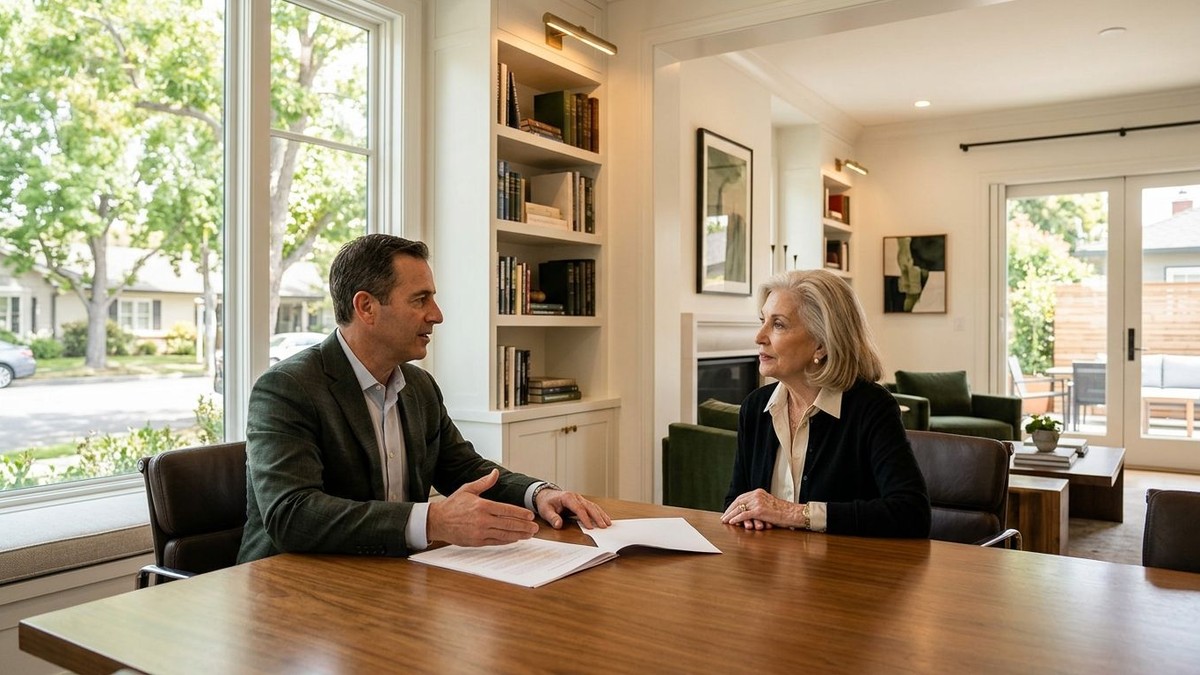
When transacting in the high-net-worth real estate market of Silicon Valley, meticulous planning is the foundation of every successful sale. For over 25 years, I have guided the region’s business elite through complex transactions to ensure their wealth is protected long after the close of escrow. One of the most critical phases of this process involves the legal documentation of a property’s history and condition. Unfortunately, many sellers underestimate this requirement, leading to severe Los Altos disclosure mistakes that can trigger costly and stressful lawsuits. True value in real estate representation is not just found in securing the highest price, but in structuring a flawless transfer of assets that safeguards your peace of mind.
Table of Contents
- High Stakes of Luxury Real Estate Disclosures
- Los Altos Disclosure Mistakes with Unpermitted Work
- Overlooking Neighborhood and Boundary Disputes
- Inadequate Documentation of Water and Soil Issues
- Failing to Disclose HOA and Community Restrictions
- Misrepresenting Smart Home and Legacy Systems
- How Deep Experience Protects Your Wealth
- Frequently Asked Questions About Disclosures
High Stakes of Luxury Real Estate Disclosures
Selling a premium property in the Bay Area involves sophisticated buyers who employ teams of inspectors, appraisers, and attorneys to scrutinize every detail. In this environment, transparency is your absolute best defense against future liability. When owners attempt to gloss over past issues or simply forget to mention a seemingly minor repair, they leave themselves vulnerable to post-sale litigation. High-net-worth buyers do not hesitate to seek legal recourse if they feel they were misled about the condition of an eight-figure estate. This is why strategic asset preparation for high-end properties must include a rigorous and entirely transparent disclosure strategy.
To navigate these waters successfully, you need an advisor who understands the nuances of the local legal landscape. I have seen firsthand how simple omissions can unravel an otherwise stellar transaction months after the new owners move in. By anticipating the rigorous due diligence of elite buyers, we can preemptively address any concerns and document them thoroughly. This proactive approach neutralizes potential threats before they ever materialize into disputes. It is a philosophy rooted in genuine care for my clients’ long-term financial security and reputation.
Los Altos Disclosure Mistakes with Unpermitted Work
One of the most common Los Altos disclosure mistakes revolves around unpermitted additions and renovations. Over the years, many homeowners upgrade their properties with custom wine cellars, expanded living spaces, or sophisticated outdoor entertainment areas. If these enhancements were completed without the proper municipal permits, failing to disclose this fact is a direct invitation for a lawsuit. Buyers who discover unpermitted work after closing often face unexpected costs to bring the property up to current building codes.
The complexity of modern luxury estates further complicates this issue, especially when dealing with secondary structures. For example, the growing popularity of guest houses and ADUs in Silicon Valley requires meticulous permitting and documentation. If you remodeled a detached garage into a living space decades ago, you must disclose the exact nature of that work and its permit status. My role is to help you conduct a comprehensive audit of your property’s history so that we present a completely accurate picture to potential buyers. Honesty regarding unpermitted work rarely breaks a deal in a competitive market, but hiding it will almost certainly result in severe legal consequences.
Overlooking Neighborhood and Boundary Disputes
Disclosures are not limited to the physical structure of your home; they also encompass the environment surrounding your property. Affluent buyers in Los Altos place an immense premium on privacy, quiet enjoyment, and clear property lines. Neglecting to mention a long-standing disagreement with a neighbor over a shared fence or an encroaching heritage tree is a significant error. Similarly, if there is a known neighborhood nuisance such as a nearby construction project that generates excessive noise, this information must be formally documented.
In my deep experience analyzing micro market analysis of ultra-luxury estates, I have found that buyers are highly sensitive to external factors that impact their daily lives. A failure to disclose a proposed development on an adjacent lot can lead to claims of fraud or misrepresentation. We work together to ensure that every known neighborhood dynamic is transparently communicated to the buyer. By establishing this level of clarity, we build trust with the incoming parties and firmly close the door on post-transaction boundary or nuisance claims.
Inadequate Documentation of Water and Soil Issues
The varied topography of the Bay Area presents unique environmental challenges that must be addressed during the sale of a luxury estate. Properties situated on hillsides or near natural creeks are particularly susceptible to soil movement, grading issues, and seasonal water intrusion. Sellers often make the critical mistake of assuming that a past drainage issue was permanently resolved and therefore does not need to be disclosed. However, the law strictly requires that past defects and the specific steps taken to remedy them are fully disclosed to the buyer.
A comprehensive disclosure packet should include all historical invoices, engineering reports, and contractor warranties related to earthwork or water management. When preparing a Los Altos family home for the market, I strongly advise my clients to over-disclose these types of environmental repairs. Buyers appreciate a well-documented maintenance history because it demonstrates that the seller has been a responsible steward of the estate. Providing this exhaustive level of detail effectively shifts the burden of due diligence onto the buyer and legally protects you from future claims regarding soil or water damage.
Failing to Disclose HOA and Community Restrictions
In many exclusive enclaves throughout Silicon Valley, properties are governed by stringent Homeowner Associations or private road agreements. A frequent disclosure error involves sellers neglecting to provide complete and up-to-date documentation regarding these governing bodies. Buyers must be fully informed about architectural review committees, dues structures, and any pending special assessments that could impact their financial obligations. Hiding a planned increase in community fees or a recent dispute with the HOA board is a direct path to post-closing litigation.
Beyond formal HOAs, there are often unwritten community norms or recorded easements that dictate how a property can be utilized. For instance, if a neighbor has a legally recorded right of way across your driveway, this encumbrance must be explicitly detailed in the preliminary title report and the seller disclosures. I ensure that my clients gather all relevant Covenants, Conditions, and Restrictions well in advance of marketing the estate. This level of thorough preparation guarantees that buyers are making informed decisions, thereby shielding you from accusations of concealing material facts about the property’s limitations.
Misrepresenting Smart Home and Legacy Systems
Modern luxury homes are often equipped with highly complex, integrated smart home technologies alongside legacy mechanical systems. Sellers frequently err by providing vague or inaccurate descriptions of how these systems function or their current state of repair. If a proprietary security system, automated lighting network, or multi-zone HVAC system has known defects, omitting this information constitutes a breach of disclosure obligations. The expectation at the ultra-luxury price point is that all systems are either fully operational or clearly documented as needing attention.
It is vital to provide potential buyers with a clear inventory of included technologies and an honest assessment of their operational status. I guide my clients through a systematic review of their home’s infrastructure to ensure no detail is overlooked or misrepresented. This involves gathering service records, software licensing details, and maintenance logs for every critical system in the house. This methodical approach to documentation not only prevents misunderstandings but also showcases the meticulous care you have invested in your property over the years.
How Deep Experience Protects Your Wealth
Navigating the complex web of California real estate disclosure laws demands an advisor with sharp business instincts and a steadfast commitment to your success. With over 25 years of experience representing the region’s business elite, I have developed a proprietary system for managing transaction risk. I sit down with my clients long before the property hits the market to conduct a rigorous, question-by-question review of all required disclosure documents. This proactive strategy allows us to identify and address potential red flags while you still have the leverage and time to manage them appropriately.
My practice is built on a simple principle: listen first, then deliver results with focused, personal attention. I collaborate closely with trusted legal professionals, specialized inspectors, and local contractors to ensure every aspect of your home’s condition is accurately represented. True value is not just in the transaction itself; it is in the trust we build and the future we thoughtfully plan together. By choosing seasoned representation, you ensure that your real estate legacy is defined by financial success rather than drawn-out legal battles!
Frequently Asked Questions About Disclosures
Will over-disclosing scare away potential buyers?
Many clients ask me if over-disclosing will scare away potential buyers in the highly competitive Silicon Valley market. In my professional experience, comprehensive transparency actually builds buyer confidence and typically results in stronger, more secure offers. Elite buyers are accustomed to complex properties and understand that no home is entirely flawless. What they will not tolerate is feeling deceived after they have committed millions of dollars to a premium acquisition.
Must I disclose repairs done by licensed professionals?
Another common question is whether a seller needs to disclose repairs that were completed perfectly by licensed professionals. The answer is always yes, because California law requires you to disclose past defects even if they have been completely remedied. Providing the buyer with the invoices and warranties for those professional repairs proves that you maintained the home to the highest standards. If you have any doubts about what to include in your documentation, contact Ed Graziani Real Estate today for a private consultation regarding your specific property.